Loading...

newsTicker.loading • newsTicker.loading
newsTicker.loading • newsTicker.loading
Loading...
Arthur Rahman
EcoBangla Correspondent
October 17, 2025
324
0
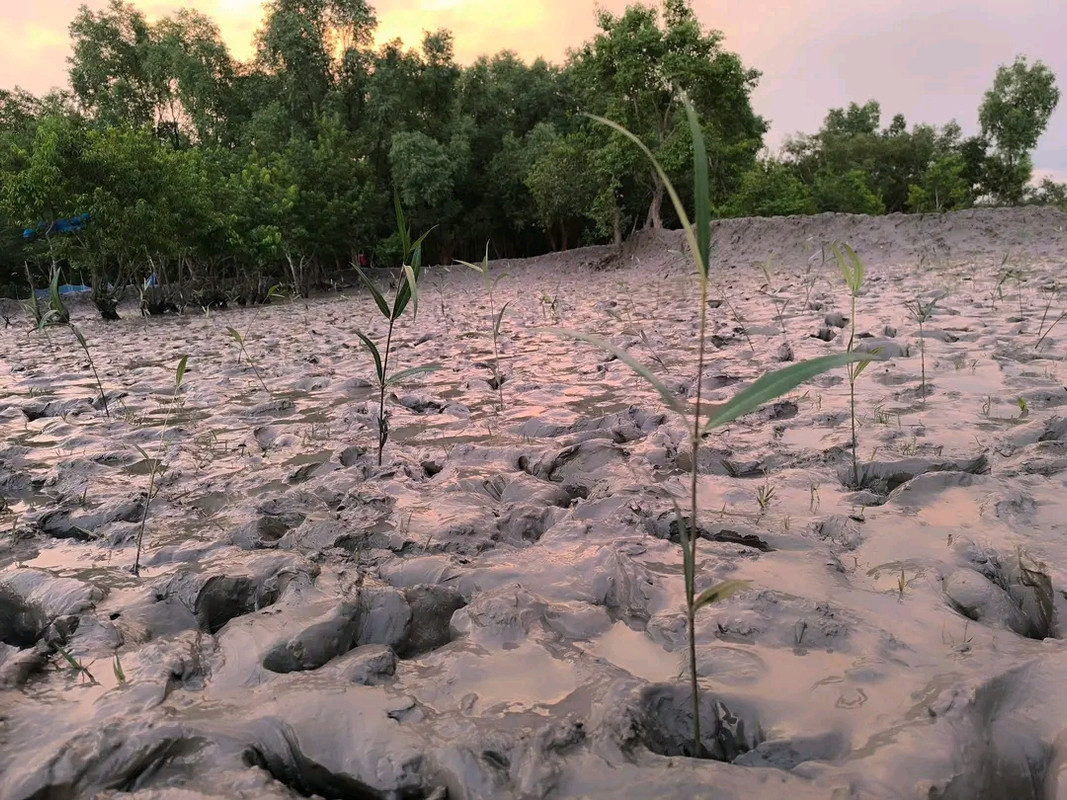
EcoBangla Youth Organization has proudly announced its first self-funded project — "Protecting Nature through Nature" — marking a significant milestone in grassroots environmental action in Bangladesh. The initiative focuses on mangrove restoration and coastal ecosystem protection, critical climate adaptation strategies for a nation increasingly vulnerable to sea-level rise and cyclonic storms. Mangrove forests serve as crucial natural barriers against storm surges and coastal erosion while providing essential habitat for marine biodiversity and supporting local fishing communities. Bangladesh's Sundarbans mangrove forest is the world's largest, but coastal mangrove ecosystems face ongoing threats from development, erosion, and climate change impacts.
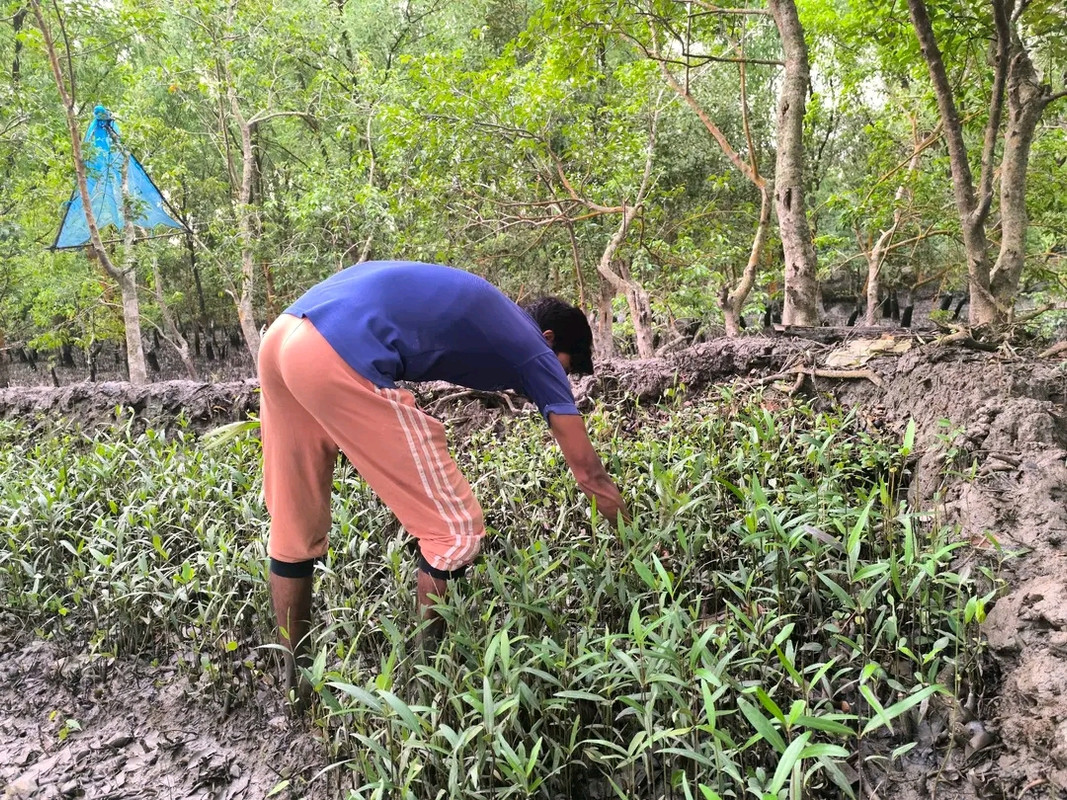
The self-funded nature of this project highlights the dedication and resourcefulness of Bangladesh's youth environmental movement. Rather than waiting for government funding or international donor support, EcoBangla Youth Organization has mobilized its own resources to take direct action on climate resilience. The mangrove planting project addresses multiple environmental challenges simultaneously. Mangroves sequester significant amounts of carbon, contribute to climate change mitigation, protect coastlines from erosion and storm damage, provide nursery grounds for commercially important fish species, and support the livelihoods of coastal communities dependent on marine resources.
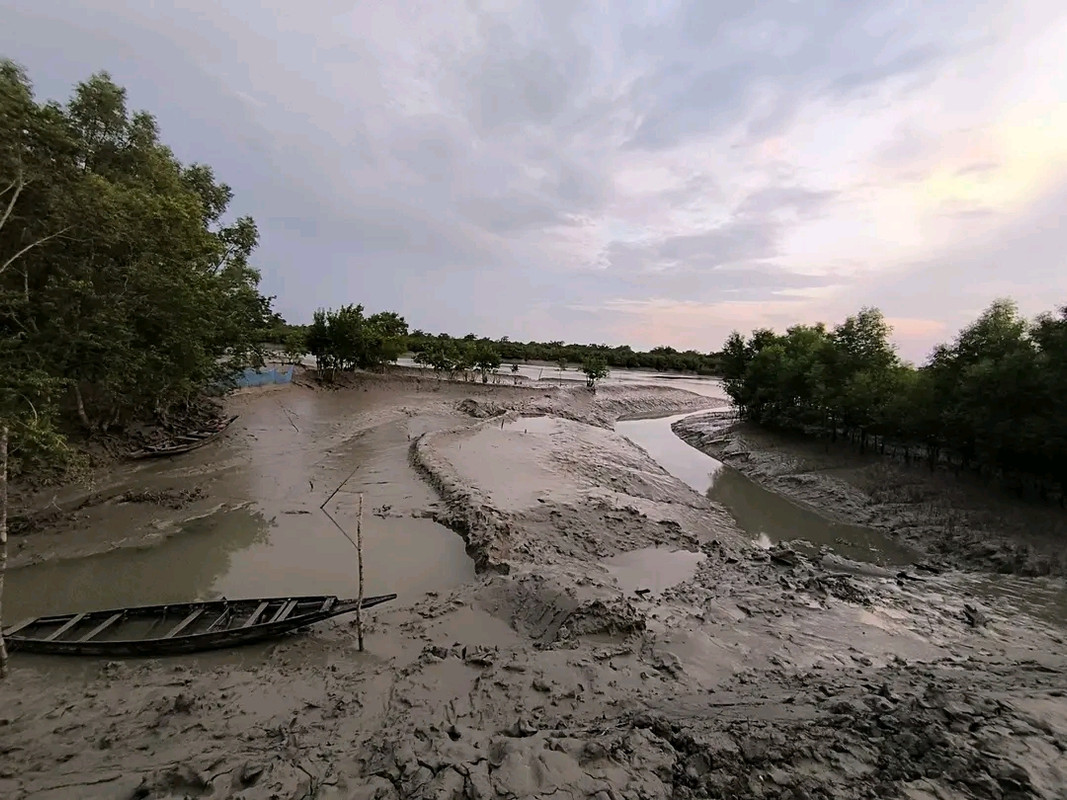
The timing of this initiative is particularly significant as Bangladesh faces multiple climate-related crises, including the ongoing devastating floods in northern districts. While flooding affects inland and riverine communities, coastal areas face different but equally severe climate threats from cyclones, storm surges, and saltwater intrusion. EcoBangla Youth Organization's mangrove restoration work complements larger national efforts to strengthen Bangladesh's climate resilience infrastructure. The combination of government-led renewable energy transitions, international cooperation on flood forecasting systems, and grassroots ecosystem restoration projects creates a comprehensive approach to climate adaptation. The "Protecting Nature through Nature" concept embodies the principle of nature-based solutions — using ecological restoration and conservation to address climate challenges rather than relying solely on engineered infrastructure. This approach is increasingly recognized by climate scientists and international organizations as among the most cost-effective and sustainable climate adaptation strategies. Young volunteers working in difficult conditions to plant mangrove seedlings represent the kind of practical, community-level climate action that will be essential for Bangladesh's long-term resilience. Their work may not generate international headlines like large infrastructure projects or policy announcements, but it creates tangible, lasting benefits for coastal ecosystems and communities. As climate change accelerates and Bangladesh faces increasing environmental pressures, the emergence of dedicated youth organizations willing to invest their own resources and labor in environmental protection offers hope for the future. These young environmental stewards understand that protecting nature is not an abstract policy goal but an urgent necessity for their own survival and the well-being of future generations.
https://www.facebook.com/profile.php?id=61578638964973
Join the conversation and share your thoughts!
Be the first to share your thoughts!