Loading...
newsTicker.loading • newsTicker.loading
newsTicker.loading • newsTicker.loading
Loading...
Arthur Rahman
EcoBangla Correspondent
November 15, 2025
929
0
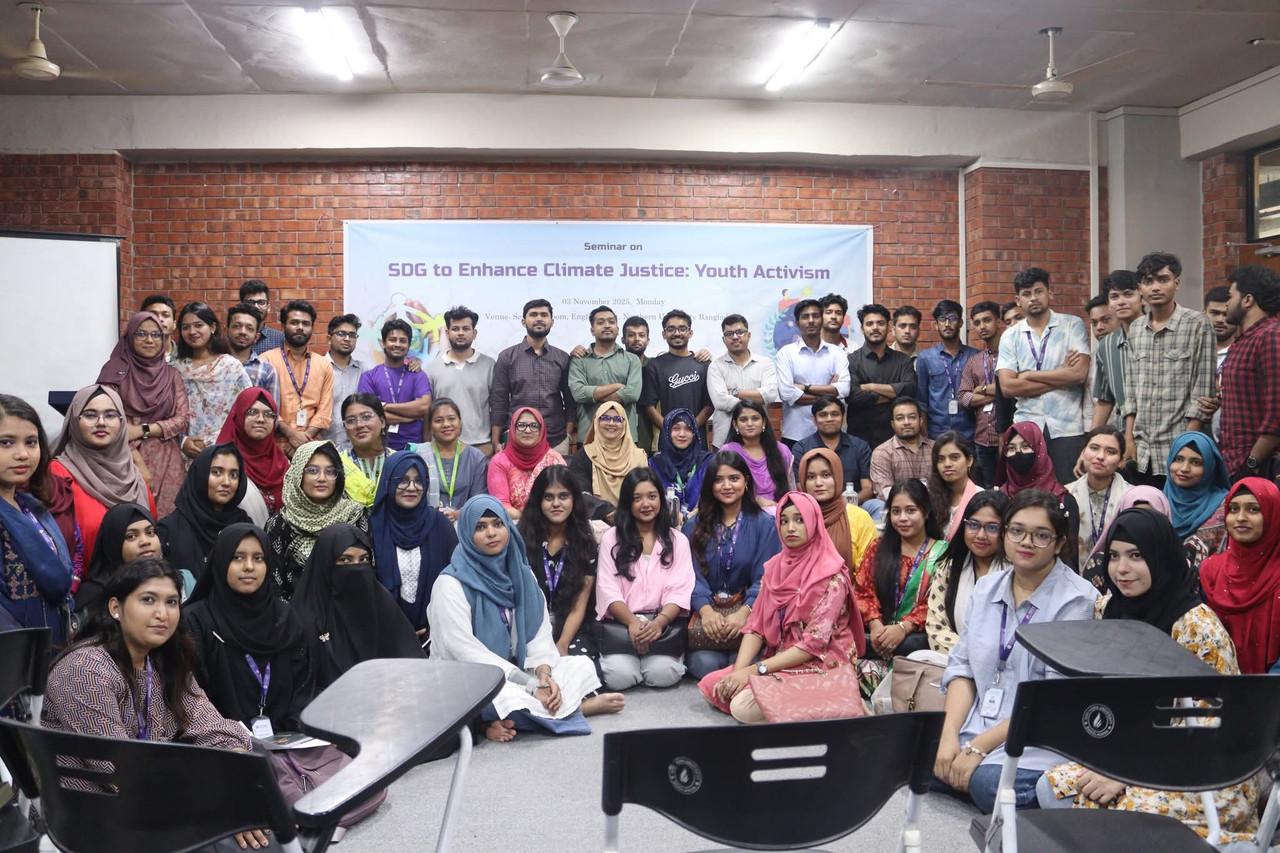
The event brought together students passionate about environmental sustainability, climate justice, and youth-led initiatives. The seminar aimed to encourage young minds to take active roles in promoting climate justice and achieving Sustainable Development Goals (SDGs) through awareness, innovation, and community engagement. With limited seats filled on a first-come, first-served basis, the enthusiastic student response demonstrated growing youth commitment to climate action in Bangladesh's academic institutions.
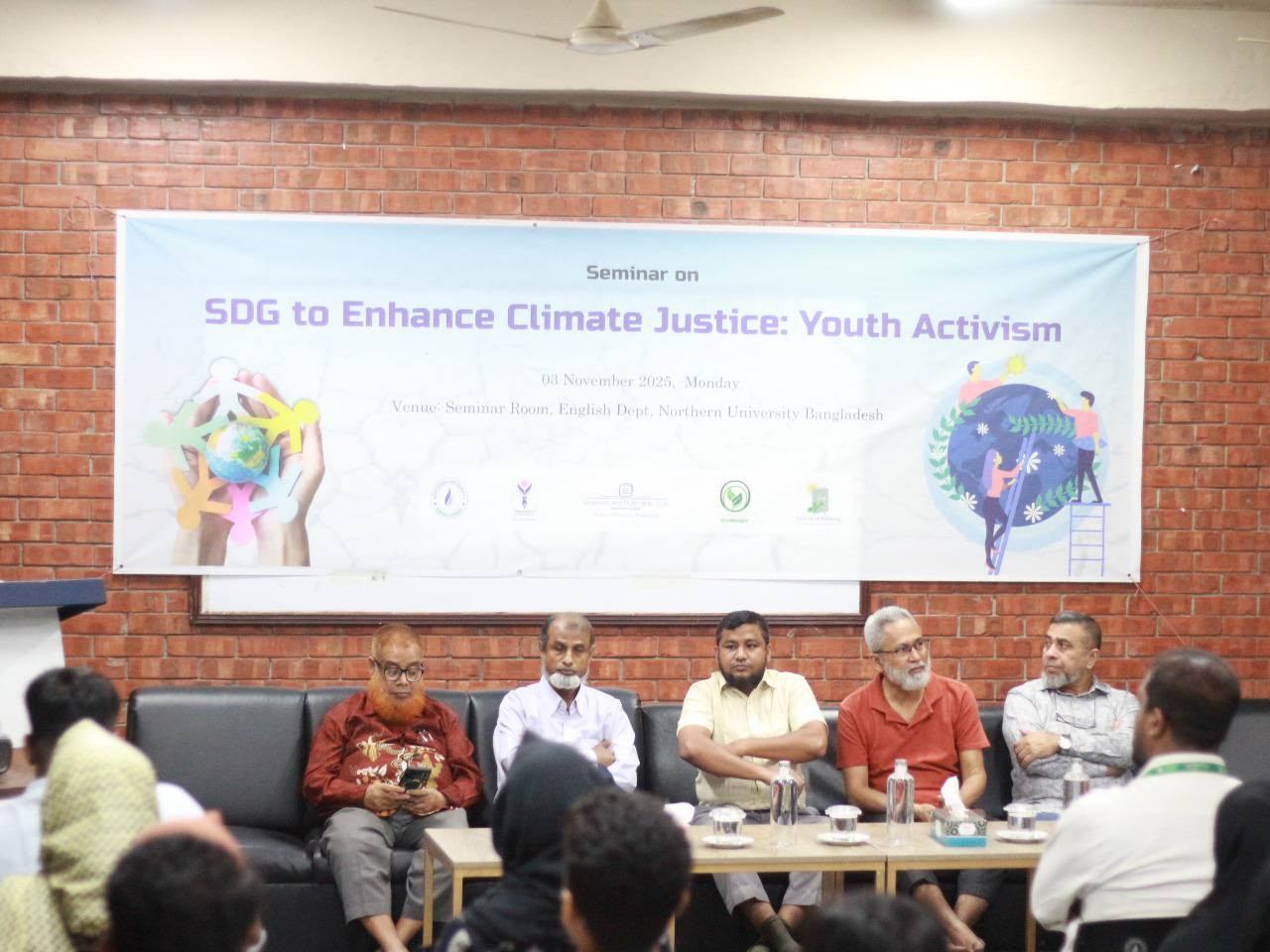
The seminar's core message emphasized that youth play vital roles in shaping sustainable futures. Young people can contribute significantly to combating climate change and protecting vulnerable communities through raising awareness about environmental issues, leading green campaigns in communities and campuses, adopting and promoting eco-friendly lifestyles, and participating in policy advocacy at local and national levels. Practical guidance provided helped students transform their passion for the planet into meaningful actions. The seminar covered pathways from local initiatives to national movements, strategies for developing youth-driven climate projects, methods for effective climate communication and advocacy, and frameworks connecting individual actions to SDG achievement and climate justice goals. Climate justice focus distinguished this seminar from general environmental education. Climate justice recognizes that climate change disproportionately affects vulnerable communities who contributed least to the problem. Bangladesh, as one of the world's most climate-vulnerable nations despite minimal historical emissions, exemplifies this injustice. The seminar equipped students to advocate for equitable climate solutions that protect marginalized populations. SDG integration provided structured framework for youth action. The 17 Sustainable Development Goals offer comprehensive roadmap addressing poverty, inequality, climate, environmental degradation, and justice. By connecting youth activism to SDGs, the seminar helped students understand how local environmental work contributes to global sustainability targets. Networking opportunities connected participants with youth leaders and environmental experts. Students shared ideas, discussed challenges, and built relationships extending beyond the seminar. These networks become crucial support systems as young activists develop and implement climate projects. Certificates of participation provided official recognition of students' commitment to environmental education and climate action. Such documentation supports future academic and professional opportunities in sustainability fields. The collaboration strength came from combining three organizations' expertise. EcoBangla Youth Organization brought grassroots environmental activism experience and youth mobilization networks. The Research and Publication Club, Department of English, EDNUB provided academic rigor, communication skills focus, and institutional support. The Institute of Wellbeing Bangladesh contributed health-environment linkages and community engagement expertise. Student engagement outcomes: Participants left with comprehensive understanding of climate justice principles and SDG frameworks, practical skills for launching youth-led environmental initiatives, connections with peers sharing climate concerns, motivation to take concrete action in their communities, and certificates validating their environmental education commitment. Why Northern University Bangladesh matters: Academic institutions like EDNUB play critical roles in youth climate education. By hosting and organizing such seminars, universities signal that environmental issues merit serious academic attention and provide platforms for students to develop leadership skills outside traditional classroom settings.
Join the conversation and share your thoughts!
Be the first to share your thoughts!