Loading...

newsTicker.loading • newsTicker.loading
newsTicker.loading • newsTicker.loading
Loading...
Arthur Rahman
EcoBangla Correspondent
October 22, 2025
40
0
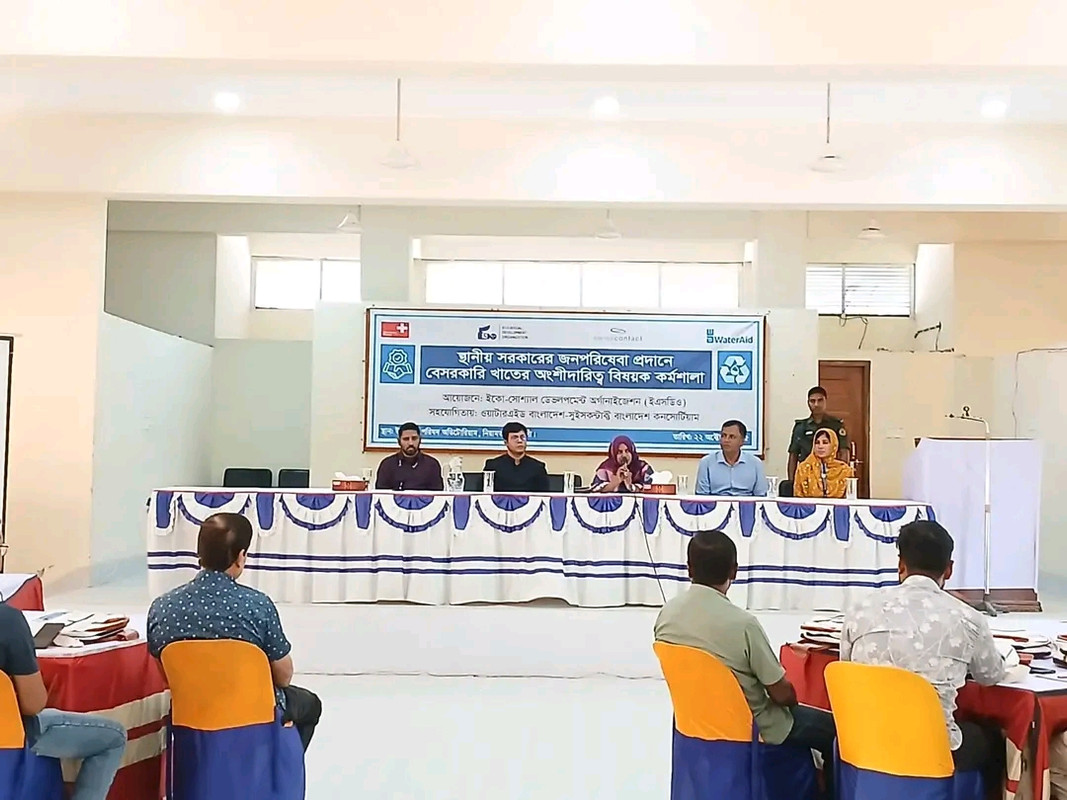
A workshop on public-private sector partnership in local government service delivery was held today (October 22, 2025) at Niamatpur Upazila Parishad Auditorium. The event was organized by Eco-Social Development Organization (ESDO) under the GoforImpact program, funded by the Swiss Government, in collaboration with WaterAid Bangladesh and Swisscontact Bangladesh. The workshop's primary objective was to enhance mutual understanding, trust, and partnership between local government institutions and private entrepreneurs, while identifying existing policy and practical challenges and collectively finding solutions to address them. Chaired by Ms. Murshida Khatun, Upazila Nirbahi Officer (UNO), the workshop brought together representatives from local government, private sector entrepreneurs, Swisscontact Bangladesh representatives, and ESDO staff members. The session titled "Public-Private Partnership in Local Public Services: Coordinated Initiatives of Local Government and Private Sector in Water and Solid Waste Management" was facilitated by Saiduzzaman Pulak, Private Sector Engagement Specialist, Swisscontact Bangladesh.
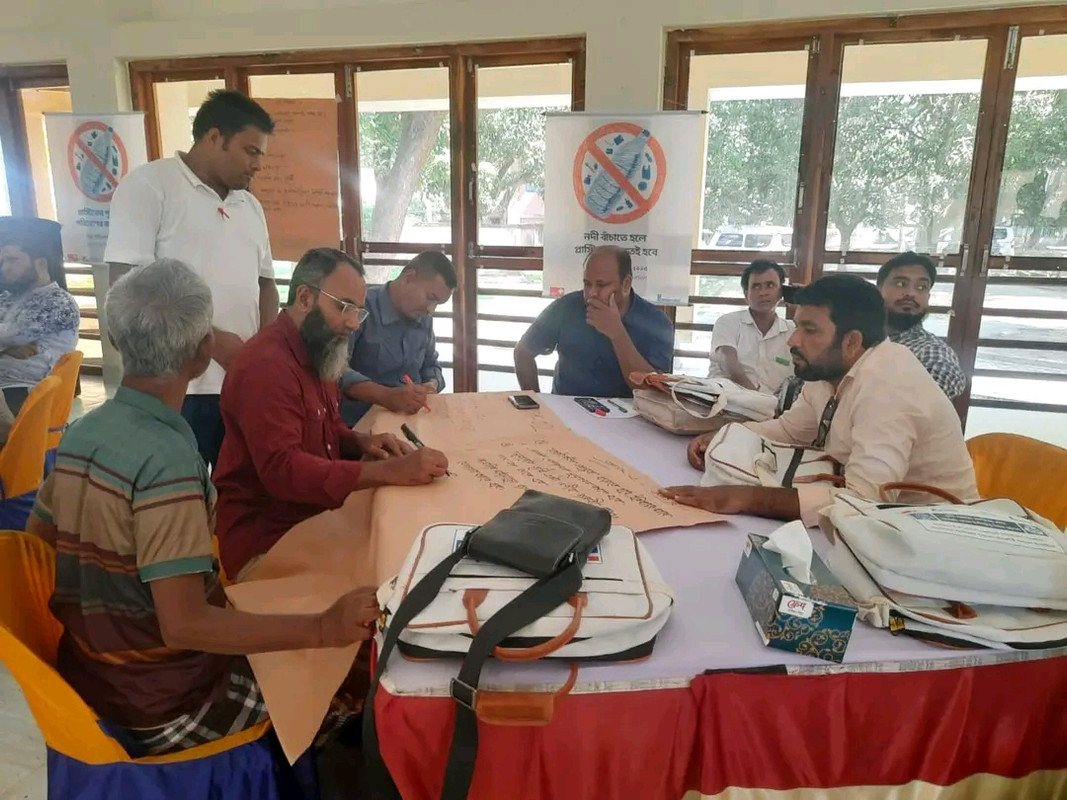
Speaking at the workshop, the Upazila Nirbahi Officer stated: "Water and solid waste management is no longer just a local issue—it is a matter of sustainable development and public health. Everyone's role in protecting our environment is important, and private sector partnership is now the demand of the time." She emphasized that success comes quickly where government, citizens, and the private sector work together. "Identifying promising entrepreneurs and supporting them to build environmentally friendly businesses is now urgent. People at all levels need to come forward for this," she added. The workshop addressed critical gaps in local service delivery infrastructure and explored mechanisms for engaging private entrepreneurs in providing essential environmental services. Participants discussed policy frameworks, financing mechanisms, technical capacity requirements, and regulatory challenges that currently hinder effective public-private collaboration.

The GoforImpact program, funded by the Swiss Government, represents significant international recognition of the importance of strengthening local governance systems in Bangladesh. By facilitating partnerships between municipal authorities and private sector service providers, the program aims to improve the efficiency, sustainability, and reach of critical environmental services. Water and solid waste management remain pressing challenges in Bangladesh's rapidly urbanizing districts. Inadequate infrastructure, limited municipal budgets, and growing populations create service gaps that traditional government-only approaches struggle to address. Public-private partnerships offer potential solutions by mobilizing private capital, technical expertise, and operational efficiency while maintaining public oversight and accountability. The workshop in Niamatpur represents a practical step toward implementing these collaborative approaches at the upazila level, where local government institutions have direct responsibility for service delivery but often lack the resources to meet growing demands. WaterAid Bangladesh and Swisscontact Bangladesh's involvement brings valuable technical expertise and international best practices to the partnership development process. These organizations have extensive experience facilitating similar collaborations in other developing countries and can help Bangladeshi stakeholders navigate the complexities of designing effective public-private partnership frameworks. As Bangladesh continues to grapple with environmental challenges including flooding, water pollution, and inadequate waste management systems, innovative governance approaches that leverage both public authority and private sector capabilities become increasingly essential. The Niamatpur workshop demonstrates that local government officials, development organizations, and entrepreneurs recognize this necessity and are actively working to build the institutional foundations for more effective collaboration.
Join the conversation and share your thoughts!
Be the first to share your thoughts!