Loading...

newsTicker.loading • newsTicker.loading
newsTicker.loading • newsTicker.loading
Loading...
Arthur Rahman
EcoBangla Correspondent
November 6, 2025
365
0
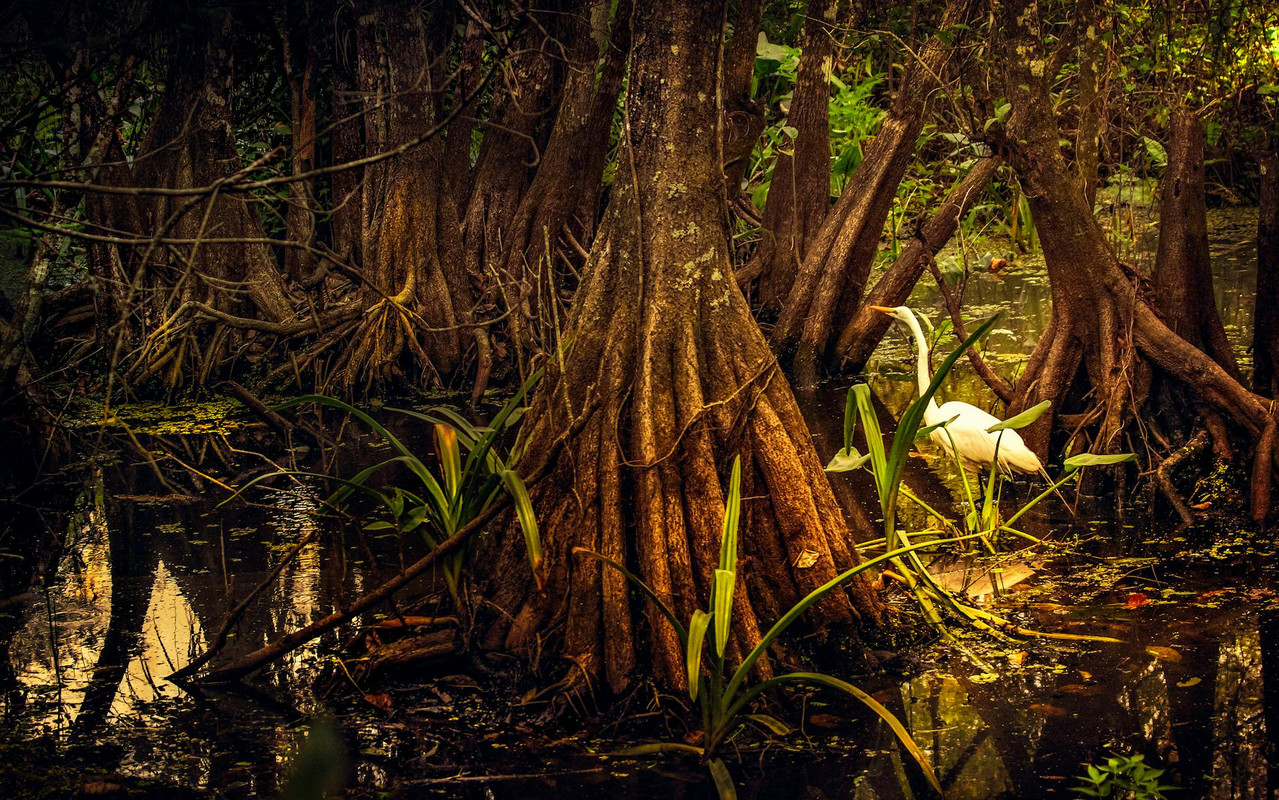
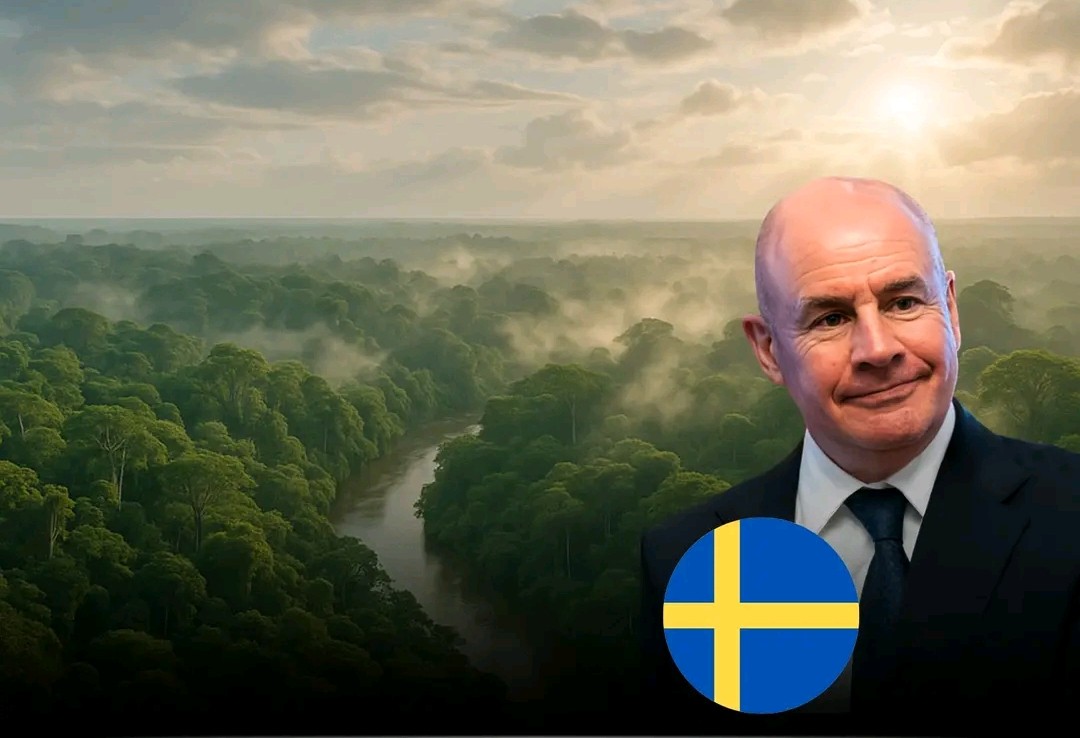
In a bold move that redefines how wealth can serve planetary health, Swedish billionaire Johan Eliasch has purchased 400,000 acres of Amazon rainforest – not to exploit it, but to save it. His strategy was unconventional yet effective: buy the logging company that owned the land, then immediately halt all logging activities. This isn't philanthropy as usual. Eliasch didn't donate to conservation organizations or fund awareness campaigns. He went directly to the source of destruction, acquired it, and shut it down. The message is powerful: sometimes the most effective conservation is simply stopping those who would destroy. The Amazon rainforest, often called the "lungs of the Earth," regulates global climate, shelters countless species, and sustains indigenous communities. Yet it faces relentless deforestation from logging, agriculture, and development. Eliasch's action demonstrates that individual choices – even extraordinary ones – can drive meaningful environmental change.
The strategy was direct: Identify the logging company operating on 400,000 acres of pristine Amazon rainforest. Negotiate purchase of the entire company, acquiring not just land rights but operational control. Immediately cease all logging activities, preserving trees that would have been cut within months. Transform business purpose from resource extraction to ecosystem protection. Why this approach works: Traditional conservation involves lengthy negotiations with governments, complex land tenure issues, and limited enforcement capacity. By purchasing the logging company itself, Eliasch bypassed these obstacles. He acquired immediate control and could act decisively. The trees were saved the moment the deal closed. The scale matters: 400,000 acres equals approximately 162,000 hectares or 1,620 square kilometers of rainforest. This area supports millions of trees, thousands of species, and critical watershed functions. Each acre preserved maintains carbon storage, biodiversity habitat, climate regulation services, and indigenous territories. The ecological value is immeasurable. Carbon impact: Amazon rainforest stores approximately 150-200 tons of carbon per hectare. Eliasch's 162,000 hectares thus protect roughly 24-32 million tons of stored carbon from being released through logging and forest clearing. This is equivalent to taking millions of cars off roads for years. Biodiversity protection: The Amazon contains 10% of Earth's species despite covering only 5.5 million square kilometers. The 400,000 acres Eliasch preserved likely shelter jaguars, tapirs, countless bird species, medicinal plants, insects essential to forest function, and species yet undiscovered by science. Every acre lost means extinctions; every acre saved means survival possibilities. Indigenous rights: While details of indigenous presence on this specific land aren't provided, Amazon conservation increasingly recognizes that indigenous peoples are the forest's best protectors. Responsible conservation initiatives – hopefully including Eliasch's – involve indigenous communities in governance and benefit-sharing, respecting ancestral rights while achieving preservation goals. Business model transformation: Eliasch didn't just stop logging – he converted a destructive enterprise into a conservation asset. The logging company's infrastructure, personnel knowledge, and operational capacity could potentially be redirected toward sustainable forest management, ecotourism, carbon credit generation, research facilitation, and monitoring against illegal activities. Replicability questions: Can this model scale? Theoretically, yes – if wealthy individuals or organizations purchase logging, mining, or agricultural operations and halt destructive activities. Practically, challenges include enormous capital requirements, limited availability of clear ownership structures in many regions, potential legal obstacles to changing land use, and need for long-term management and protection resources.


Eliasch's background as a billionaire businessman gives him resources most conservationists lack. Rather than generating wealth through environmental destruction (as extractive industries do), he's deploying wealth to prevent it. This represents a fundamental reimagining of capital's purpose – not just profit maximization but planetary stewardship. The precedent matters: High-profile conservation purchases inspire others. If billionaires increasingly view ecosystem protection as worthy of major investment, capital flows could shift dramatically. Imagine if even 1% of global billionaire wealth ($130+ trillion total) went toward land conservation, renewable energy, and ecosystem restoration. The impact would be transformative. Criticism and complexity: Some argue billionaires shouldn't need to save ecosystems – governments should regulate effectively, making such purchases unnecessary. Others note that wealth enabling these purchases often comes from systems driving environmental destruction elsewhere. These critiques have merit, yet the urgent reality is that forests are falling now and any effective intervention helps. Systemic change needs: Individual billionaire action, while impactful, cannot substitute for structural solutions including strengthened environmental regulations and enforcement, indigenous land rights recognition and protection, economic models valuing ecosystem services appropriately, international cooperation on transboundary conservation, and addressing root causes of deforestation like poverty and development pressures. The Amazon's global importance: This rainforest influences weather patterns across continents, stores 150-200 billion tons of carbon globally, produces 20% of Earth's oxygen (though this is debated among scientists), hosts 30 million people including hundreds of indigenous groups, and contains 80,000+ plant species with medicinal and other values. Protecting any portion protects all of humanity. Deforestation drivers: Understanding what Eliasch stopped helps appreciate the action's significance. Amazon logging feeds global timber demand, cattle ranching for beef exports, soy cultivation for animal feed, mining for gold and other minerals, and infrastructure development including roads and dams. Each driver has powerful economic interests behind it, making conservation difficult but essential. The "tipping point" threat: Scientists warn the Amazon approaches irreversible degradation. Deforestation, climate change, and fires could transform portions from rainforest to degraded savanna. Once this threshold is crossed, recovery becomes impossible. Every acre preserved helps maintain the system above this critical tipping point. Sustainable alternatives: The future requires models where local communities benefit economically from standing forests through ecotourism, sustainable harvesting of forest products, carbon credit payments, and research partnerships. Eliasch's land could demonstrate that forests are worth more alive than dead – economically, not just ecologically. Global responsibility: While the Amazon is in South America, its fate affects everyone. Climate change, biodiversity loss, and ecological collapse know no borders. Eliasch, though Swedish, recognizes this interconnection. His action embodies global citizenship – using resources to address planetary challenges regardless of national boundaries.
Join the conversation and share your thoughts!
Be the first to share your thoughts!