Loading...

newsTicker.loading • newsTicker.loading
newsTicker.loading • newsTicker.loading
Loading...
Arthur Rahman
EcoBangla Correspondent
November 19, 2025
108
0
Daytime temperatures could rise by 4.5°C by the century's end in the worst-case scenario, with a 2°C increase projected by 2070, primarily during pre-monsoon months of March to May. "This is a future we all share," said Hans Olav Hygen, head of the climate division at Norway's Meteorological Institute (Met Norway), which collaborated with the Bangladesh Meteorological Department (BMD) on this third climate assessment since research began in 2011.
Heatwave escalation: Western Bangladesh will experience approximately 20 days of heatwaves during the three pre-monsoon months by 2070 – a 75% increase compared to 1985-2014 observations. Monsoon-season heatwaves will increase nearly three times over the same period. By 2100, the projections become almost unimaginable: western Bangladesh districts could endure up to 70 heatwave days in the 90-day pre-monsoon season. Hot days during monsoon might triple again compared to 2070 levels. Even the traditional monsoon respite from heat will disappear. Severe heat intensification: A heatwave occurs when temperatures reach or exceed 36°C over large areas, becoming severe above 40°C. By 2070, parts of western Bangladesh might count up to 13 days as severe heat days during pre-monsoon season, exceeding 20 days by 2100. Even monsoon months could witness temperatures frequently crossing 40°C by century's end. Dhaka's dual heatwave peaks: The capital will likely experience two distinct heatwave periods annually – one during pre-monsoon months and another in the post-monsoon season of October-November. This represents a fundamental shift in Dhaka's climate patterns, with residents facing dangerous heat conditions across much of the year. Winter's disappearance: Cold spells, occurring when daytime temperatures drop below 10°C, will become confined to parts of northern, western, and northeastern regions, remaining absent in coastal areas. By 2100, cold spells become almost non-existent, with some northern and northeastern districts experiencing only one or two cold days during the entire December-February winter season. For a country where winter has been a distinct, cooler season, this represents cultural and agricultural upheaval. Human impacts of extreme heat: The report warns of drastically reduced labor productivity during extreme heat, making outdoor work dangerous or impossible for extended periods. Heat-related illnesses and deaths will increase. Energy demand for cooling will surge, straining power infrastructure. Agriculture, construction, and other outdoor industries face fundamental challenges adapting to conditions where half the year exceeds safe working temperatures.

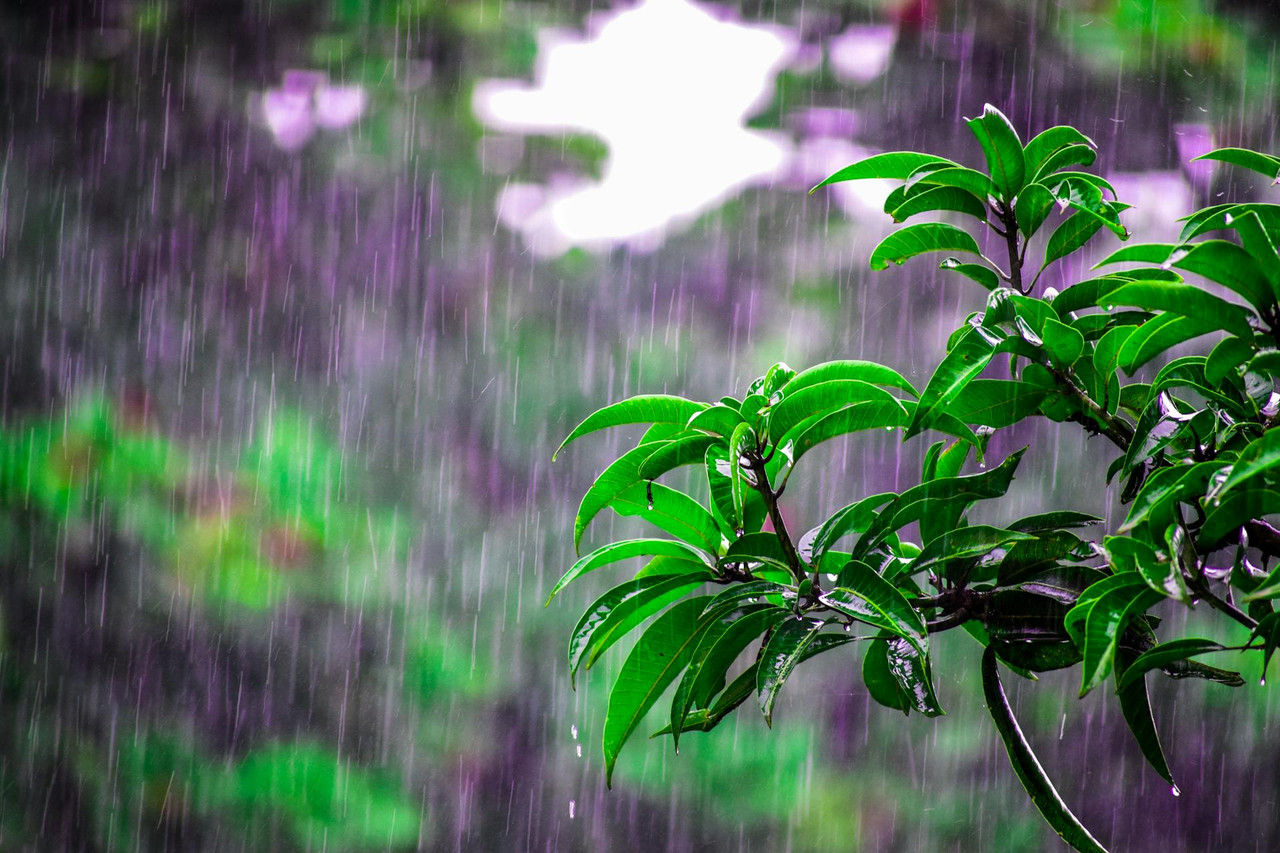
Monsoon intensification: The monsoon season (June-September) already accounts for 71% of Bangladesh's annual rainfall. By 2070, monsoon rainfall will likely rise by 118mm, with most precipitation concentrated in northeastern regions and parts of coastal Bangladesh. By 2100, monsoon rainfall could increase by 255mm, with intense precipitation events battering northeastern districts. This isn't just more rain – it's more intense, concentrated rainfall capable of overwhelming drainage systems, causing flash flooding, and triggering landslides in hilly areas. Flash flood escalation: Particularly in northeastern districts, flash floods will increase in frequency and severity. Unlike riverine flooding, which develops over days allowing some preparation time, flash floods strike with little warning, devastating communities before they can respond. Riverine flooding uncertainty: Experts at the report launch noted a critical gap: predictions about how changing rainfall patterns will affect riverine flooding from the Brahmaputra, Ganges, and Meghna rivers. These rivers have catchment areas spanning multiple countries, and lack of comprehensive rainfall data across these basins makes reliable flooding predictions difficult. Yet riverine flooding is among Bangladesh's most devastating climate impacts. Sea level rise acceleration: The Bangladesh coast faces chronic sea level rise higher than the global average – up to 5.8mm annually, far exceeding the global average of 2.1mm. This dramatic rise predicts widespread coastal inundation leaving up to 18% of coastal areas submerged by century's end. Sundarbans at risk: In the worst-case scenario, extreme sea level rise could flood 918 square kilometers of the Sundarbans – 23% of the mangrove forest – by 2100. Even in medium-emission scenarios, 40 square kilometers could be inundated. The Sundarbans serves as natural storm barrier, biodiversity hotspot, and livelihood source for millions. Its loss would be catastrophic. Mass displacement: The report warns that almost one million people could be permanently displaced by 2050 due to permanent land inundation. By century's end, coastal displacement could involve millions more as rising seas claim inhabited lands. Where will these climate refugees go? How will Bangladesh, already densely populated, absorb this internal migration? Coastal flooding and storm surge worsening: With sea level rise, coastal flooding from normal high tides and devastating storm surges during cyclones will intensify. Areas currently safe from flooding will become vulnerable. Existing flood protection infrastructure will become inadequate. Agricultural devastation: Climate change will severely impact agriculture, with production of crops, livestock, and fish drastically hampered. Extreme heat reduces yields, changes in precipitation patterns disrupt planting and harvesting schedules, increased flooding destroys crops, and saltwater intrusion from sea level rise renders coastal agricultural land unusable. For a country where agriculture employs nearly half the workforce, this represents economic catastrophe. Disease outbreak intensification: Climate change will worsen outbreaks of dengue, malaria, cholera, and other waterborne diseases. Warmer temperatures expand mosquito habitats and breeding seasons. Increased flooding contaminates water sources. These health impacts compound economic and social disruptions from other climate effects. The stark reality: Norwegian Ambassador to Bangladesh Håkon Arald Gulbrandsen stated that the report provides critical insights and that climate change is not a sector-specific problem. Indeed, the projections describe wholesale transformation of life in Bangladesh – where people live, how they work, what they grow, how they stay healthy, and whether they can remain in their ancestral lands.
Join the conversation and share your thoughts!
Be the first to share your thoughts!