Loading...
newsTicker.loading • newsTicker.loading
newsTicker.loading • newsTicker.loading
Loading...
Arthur Rahman
EcoBangla Correspondent
November 2, 2025
221
0

For Bangladesh, food security isn't an abstract policy concept – it's the daily reality of ensuring 170 million people have access to their staple food: rice. In a country where rice comprises over 70% of caloric intake and dominates both plates and agricultural landscapes, delivering on rice isn't just about farming – it's about national stability, economic development, and survival itself. Bangladesh has achieved remarkable progress in rice production over recent decades, transforming from a rice-deficit nation dependent on imports to approaching self-sufficiency. Yet this success story faces mounting challenges: climate change threatens yields, land availability shrinks as urbanization accelerates, water resources strain under competing demands, and global market volatility creates price uncertainties that ripple through the economy. The question isn't whether Bangladesh can produce rice today – it's whether the country can continue delivering on rice tomorrow, next year, and for generations to come as pressures intensify and margins for error diminish.
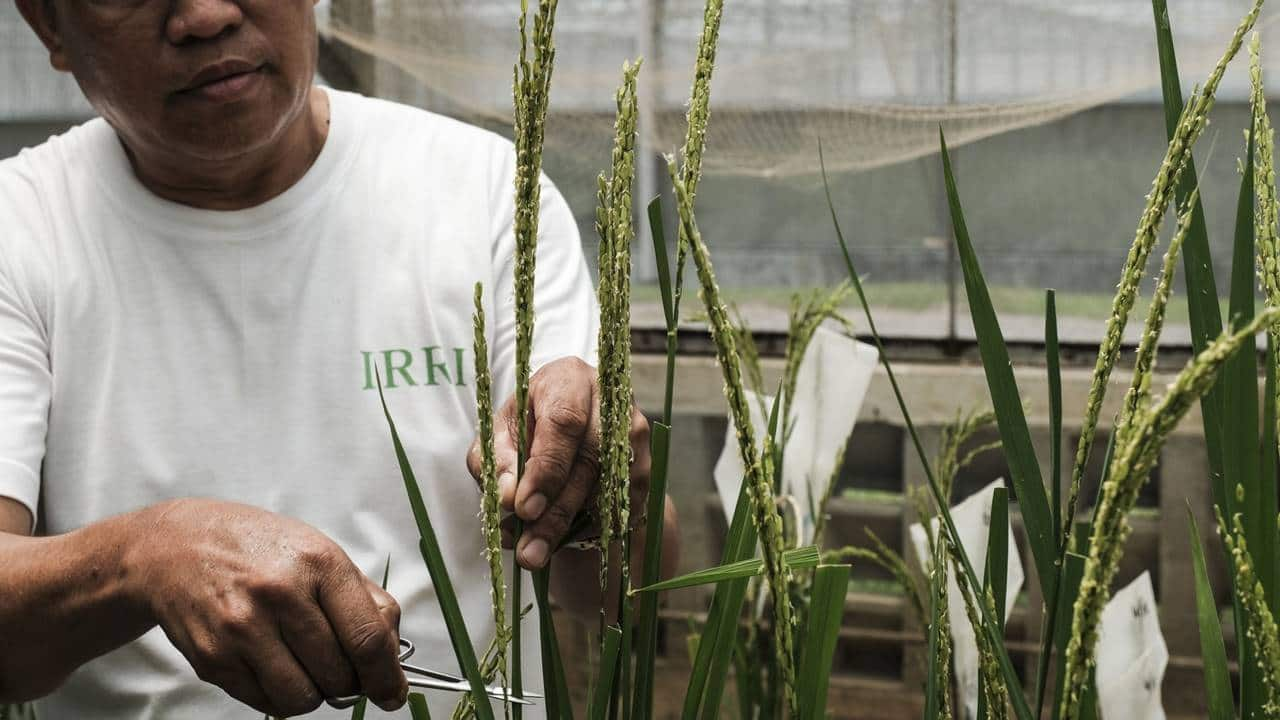
Cultural and nutritional centrality makes rice irreplaceable in Bangladeshi life. The Bengali saying "bhaat" (cooked rice) is synonymous with "meal" itself. From breakfast to dinner, rice appears on plates across economic classes, geographic regions, and cultural communities. No other food comes close to rice's dietary dominance – wheat, vegetables, fish, and meat are supplementary, but rice is essential. Economic implications extend far beyond agriculture. Approximately 48% of Bangladesh's labor force works in agriculture, with rice cultivation employing the vast majority. Rural livelihoods, land values, credit systems, and seasonal migration patterns all revolve around rice production cycles. When rice harvests fail or prices spike, the impacts cascade through the entire economy – inflation rises, purchasing power falls, and poverty deepens. Political stability hinges on rice availability and affordability. Governments rise and fall based on their ability to manage rice supplies and prices. Food riots triggered by rice shortages or price spikes have toppled regimes throughout South Asian history. Every Bangladeshi government prioritizes rice policy, knowing that failure means not just economic hardship but potential social unrest and political crisis. Nutritional security depends overwhelmingly on rice. While nutritionists advocate dietary diversification, the reality is that for most Bangladeshis – especially the poor – rice provides the bulk of daily calories, carbohydrates, and even protein. When rice consumption drops due to availability or affordability issues, malnutrition increases, particularly among children and pregnant women who are most vulnerable. Land use patterns reflect rice's dominance. Approximately 77% of Bangladesh's total cropped area is devoted to rice cultivation across three seasons: Aus (spring), Aman (monsoon), and Boro (winter/dry season). Boro rice, grown with irrigation during the dry season, now contributes over 55% of total rice production and has been critical to achieving near self-sufficiency. The numbers tell the story: Bangladesh produces approximately 36-37 million metric tons of rice annually, making it the third or fourth largest rice producer globally. Annual per capita rice consumption is around 170 kg – among the highest worldwide. The country maintains strategic rice reserves and government procurement programs to stabilize markets and ensure availability during crises.

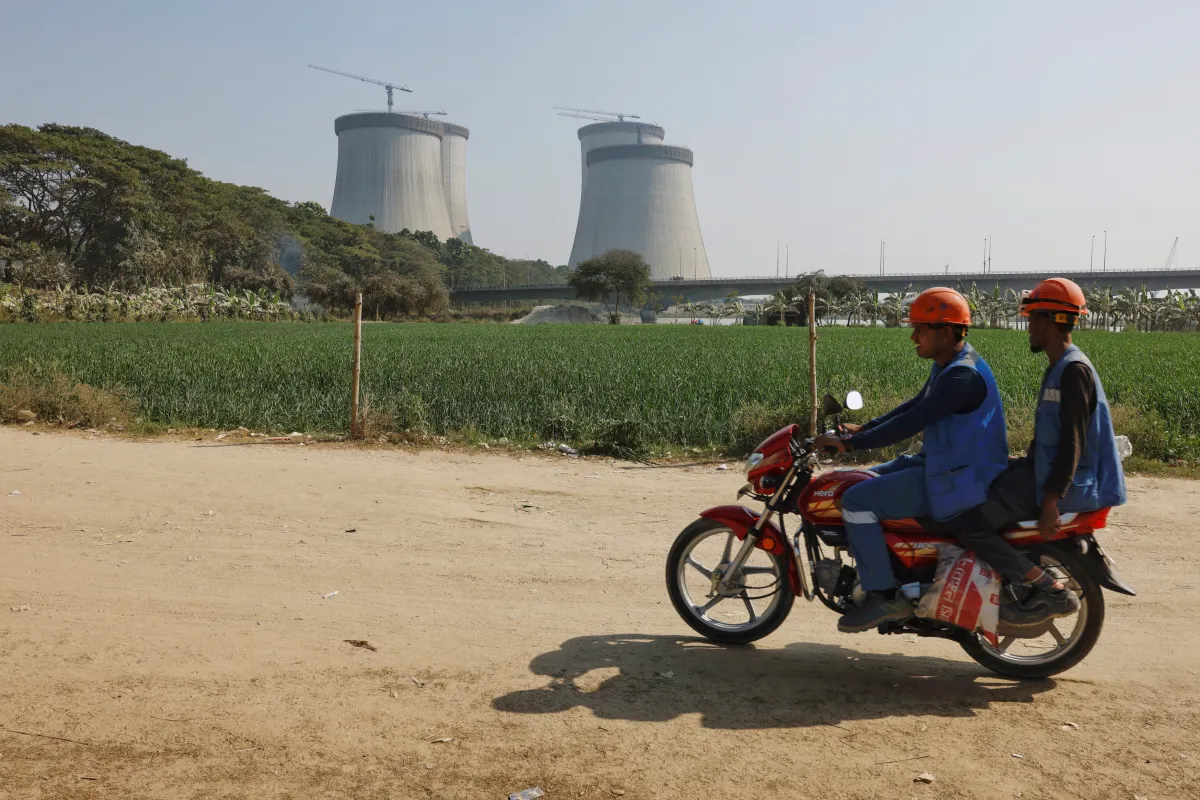

Rising temperatures directly impact rice yields. Rice is sensitive to heat stress, particularly during flowering and grain-filling stages. Studies indicate that each 1°C temperature increase above optimal levels can reduce yields by 10-15%. As Bangladesh experiences warming trends, yields in traditional rice-growing areas are declining, forcing farmers to adapt varieties or face losses. Changing rainfall patterns disrupt rice production cycles. The Aman crop depends on monsoon rains, but increasingly erratic precipitation – too much rain causing floods, too little creating droughts – makes traditional planting schedules unreliable. Farmers face impossible choices: plant early and risk drought, plant late and risk floods or shortened growing seasons. Sea level rise and salinity intrusion threaten coastal rice lands. Approximately 20% of Bangladesh is less than 1 meter above sea level, with coastal areas experiencing saltwater intrusion into soil and groundwater. Salinity makes rice cultivation impossible or drastically reduces yields. An estimated 1 million hectares of agricultural land in southern coastal districts face severe salinity problems, with projections indicating expansion inland as sea levels rise. Increased flooding destroys rice crops regularly. Bangladesh's geography – three major rivers converging, low elevation, heavy monsoons – makes it naturally flood-prone. Climate change intensifies this vulnerability through more extreme rainfall events, glacial melt increasing upstream river flows, and storm surges from increasingly powerful cyclones. Flash floods during critical growth stages can destroy entire harvests within hours. Drought stress is paradoxically increasing despite flood risks. Pre-monsoon and winter periods are experiencing longer dry spells, stressing the Boro rice crop that depends on irrigation. Groundwater levels are falling in many areas due to over-extraction for irrigation, creating water scarcity even in traditionally water-abundant Bangladesh. Pest and disease patterns are changing. Warmer temperatures and altered rainfall allow rice pests and diseases to survive in new areas and seasons. Brown planthoppers, rice blast disease, and bacterial blight are becoming more difficult to control, requiring more pesticides (with environmental and health costs) and threatening yields. Adaptation efforts are underway but face challenges. Research institutions like the Bangladesh Rice Research Institute (BRRI) are developing stress-tolerant varieties – flood-tolerant, salt-tolerant, drought-tolerant, and heat-tolerant rice strains. Some show promise, but adoption rates are slow due to farmers' unfamiliarity, seed availability issues, and concerns about taste and market acceptance. Climate-resilient agriculture requires not just new varieties but changed practices: adjusted planting times, water management innovations, integrated pest management, and soil health improvements.
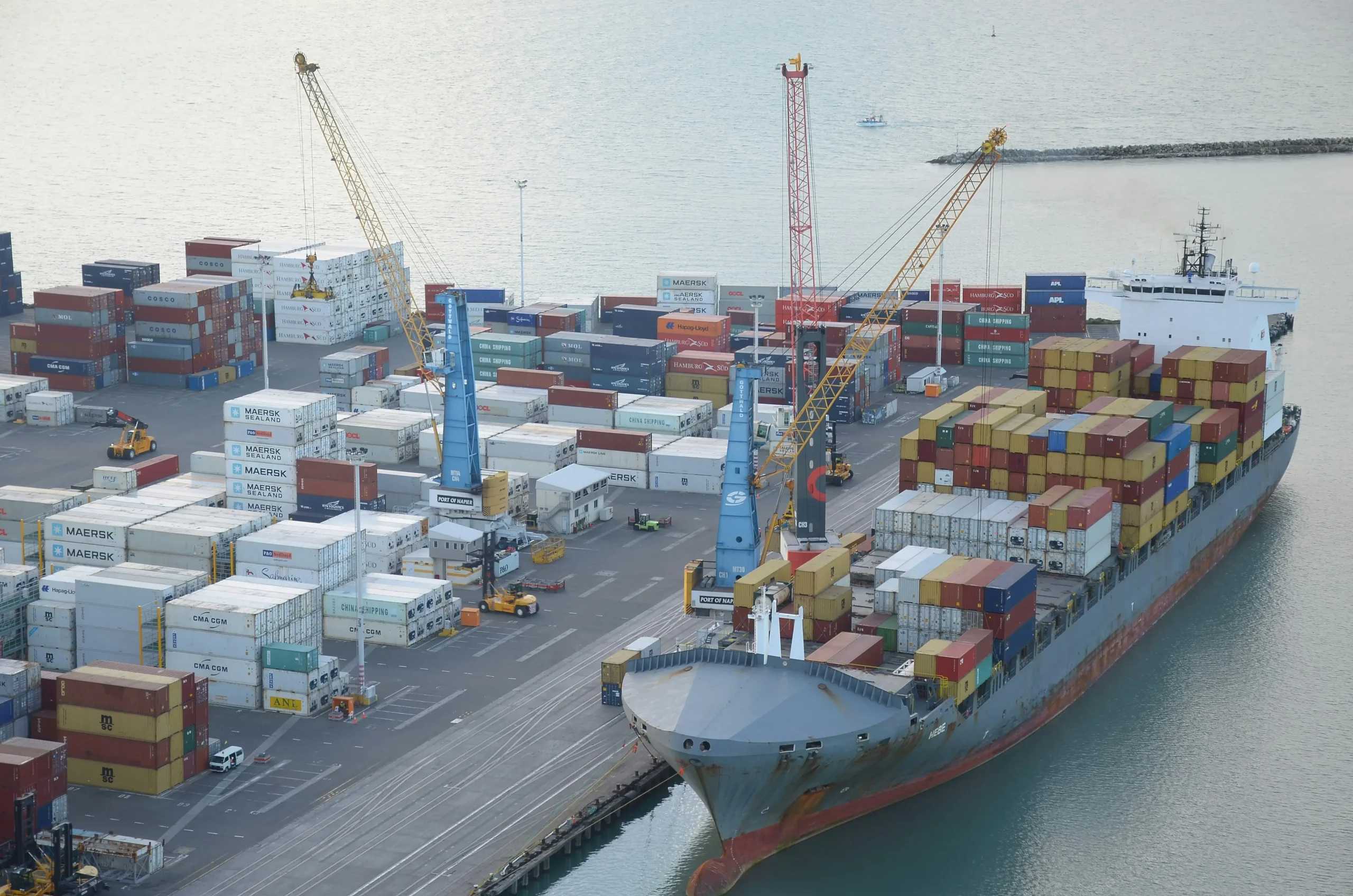
Government policies shape rice security through multiple mechanisms. Procurement programs buy rice from farmers at support prices, stabilizing markets and ensuring farmer incomes. Public food distribution provides subsidized rice to the poor through various schemes. Import policies allow rice imports when domestic production falls short, though the government prefers self-sufficiency. And agricultural subsidies support inputs like fertilizers, seeds, and irrigation to keep production viable. Production intensification has driven yield improvements. Bangladesh has increased rice yields dramatically over past decades through high-yielding varieties adoption, expanded irrigation infrastructure enabling multiple cropping seasons, increased fertilizer use boosting soil fertility, and improved agronomic practices. However, this intensification model faces sustainability questions – environmental degradation from chemical inputs, groundwater depletion from irrigation, soil health deterioration from continuous cropping, and diminishing returns on additional inputs. Technology and innovation offer potential breakthroughs. Precision agriculture using satellite data and sensors could optimize input use. Digital platforms connecting farmers with markets, weather information, and extension services improve decision-making. Mechanization addresses labor shortages as rural populations migrate to cities. And biotechnology might develop varieties with superior climate resilience, though GMO rice faces regulatory and social acceptance challenges in Bangladesh. Infrastructure gaps limit productivity gains. Post-harvest losses remain high due to inadequate drying, storage, and processing facilities. Transportation infrastructure in rural areas hampers market access. Irrigation systems need modernization and expansion. And rural electricity supply affects processing, storage, and mechanization adoption. Land availability is shrinking inexorably. Urbanization, industrialization, and infrastructure development consume agricultural land annually. River erosion destroys farmland. And salinity makes coastal lands uncultivable. Bangladesh has limited scope to expand rice area, meaning future production increases must come entirely from yield improvements – but yield growth rates are slowing as they approach biological and environmental limits. For Bangladesh, delivering on rice isn't optional – it's existential. The country has achieved remarkable agricultural progress, but complacency is dangerous. Climate change, resource constraints, and development pressures create formidable challenges. Success requires sustained investment in research and development, infrastructure improvement, climate adaptation, water resource management, and policies supporting smallholder farmers who produce the rice feeding the nation. Rice security is food security. Food security is national security. Bangladesh must deliver on rice – today, tomorrow, and for generations to come. When rice is secure, Bangladesh is secure.
Join the conversation and share your thoughts!
Be the first to share your thoughts!