Loading...

newsTicker.loading • newsTicker.loading
newsTicker.loading • newsTicker.loading
Loading...
Arthur Rahman
EcoBangla Correspondent
October 22, 2025
177
0
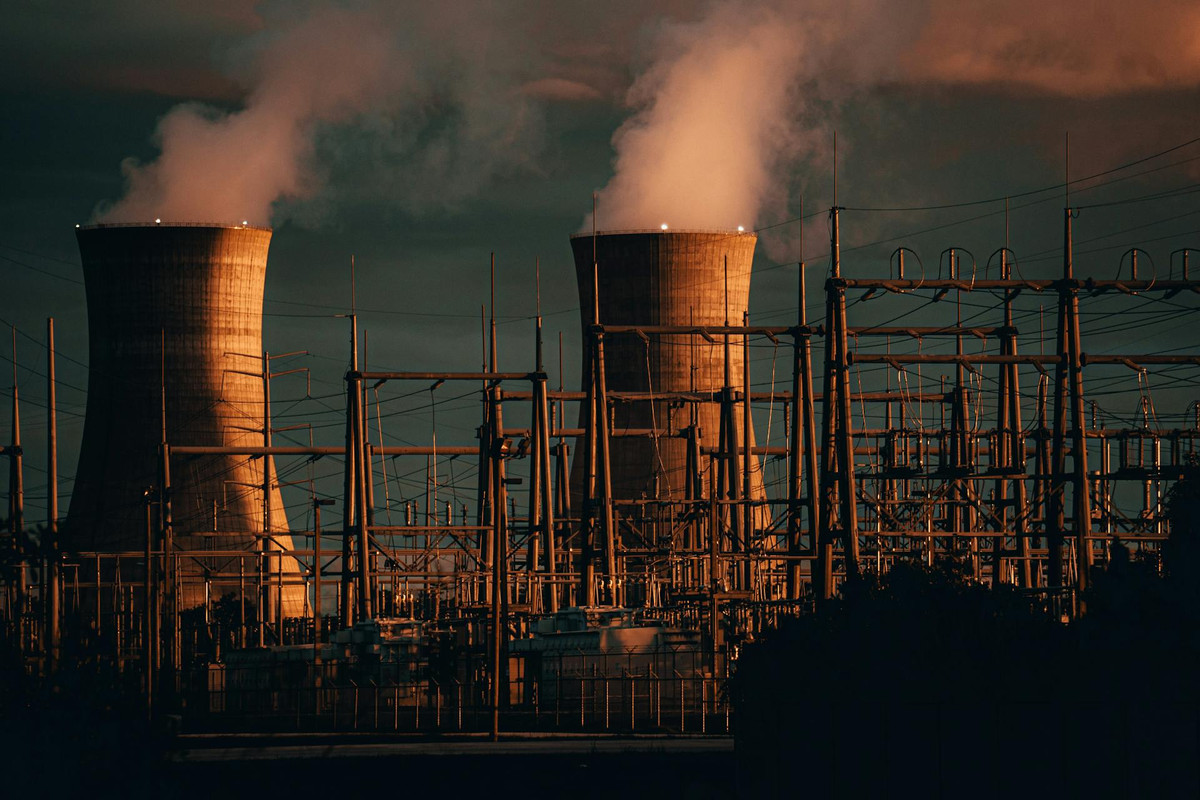
Three countries that partnered with Russia's state nuclear corporation Rosatom for nuclear power plant construction are experiencing dramatic electricity cost increases, contradicting the original affordability promises that justified these massive infrastructure investments. Bangladesh (Rooppur NPP) - Average electricity price before nuclear plant: ~5 ct/kWh - Post-nuclear plant price: 8–10 ct/kWh - Increase: +60–100% Turkey (Akkuyu NPP) - Average electricity price before nuclear plant: ~6 ct/kWh - Guaranteed price under nuclear contract: 12.35 ct/kWh - Increase: +100% Egypt (El Dabaa NPP) - Average electricity price before nuclear plant: ~6 ct/kWh - Projected post-nuclear price: 9–11 ct/kWh - Projected increase: +50–80%

Bangladesh's Rooppur Nuclear Power Plant, currently under construction with Russian financing and technology, was promoted as a solution to the country's energy needs and a pathway to affordable, reliable electricity. The reality tells a different story. Before the nuclear project, Bangladeshi consumers and industries paid approximately 5 cents per kilowatt-hour for electricity—already a significant expense for a developing economy. With Rooppur coming online, that cost is expected to rise to 8–10 cents per kilowatt-hour, representing a 60–100% increase. This price surge undermines Bangladesh's industrial competitiveness, increases costs for manufacturers, and places additional financial burden on ordinary citizens already struggling with inflation and economic pressures. For a nation where millions live on modest incomes, doubling electricity costs has cascading effects on quality of life, business viability, and economic development prospects. The Turkish experience provides a cautionary tale. Akkuyu NPP operates under a guaranteed price mechanism where the Turkish government committed to purchasing electricity at 12.35 cents per kilowatt-hour—more than double the pre-nuclear average. This long-term contractual obligation locks Turkey into paying premium prices regardless of market conditions, renewable energy advances, or cheaper alternatives that may emerge. Egypt faces similar projections, with electricity costs expected to rise 50–80% once El Dabaa NPP becomes operational. For a country with significant solar energy potential and declining renewable energy costs globally, the economic logic of expensive nuclear power becomes increasingly questionable.
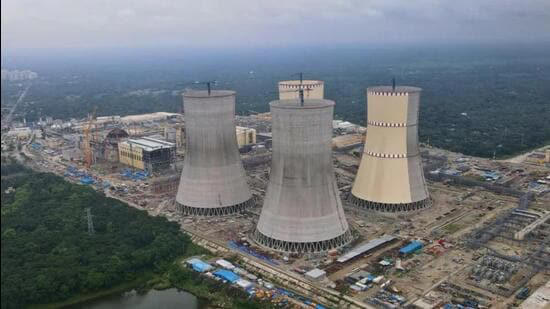

These price increases reflect several factors inherent to nuclear power economics. Construction costs for nuclear plants typically exceed initial estimates—sometimes dramatically. Rooppur's final costs have escalated significantly from original projections. Financing arrangements often involve high-interest loans, with Russia providing both construction and financing, creating long-term debt obligations for recipient countries. Operational and maintenance costs for nuclear facilities are substantial, requiring highly trained personnel, rigorous safety protocols, and expensive technical infrastructure. Decommissioning and waste management costs add additional long-term financial burdens that must be factored into electricity pricing. Most critically, these nuclear contracts often include guaranteed purchase agreements where governments commit to buying electricity at fixed prices regardless of actual demand or availability of cheaper alternatives. These agreements protect the nuclear operator's investment but create fiscal risks for the purchasing nation. Meanwhile, renewable energy costs have plummeted. Solar and wind power now represent the cheapest sources of new electricity generation globally, with costs continuing to decline. Bangladesh's recent 2.6 GW solar tender demonstrates the country's potential for large-scale renewable deployment at costs far below nuclear power. The contrast is stark: Bangladesh is pursuing expensive nuclear power that will double electricity costs while simultaneously demonstrating capacity to deploy solar energy at competitive prices. This policy contradiction raises questions about the strategic rationale for prioritizing nuclear over renewables. For ordinary Bangladeshis, the implications are personal and immediate. Higher electricity costs mean more expensive food (refrigeration, processing), higher manufacturing costs (passed to consumers), reduced industrial competitiveness (fewer jobs), and increased household expenses (lighting, fans, cooking appliances). In a nation where climate vulnerability already threatens livelihoods through flooding and agricultural disruption, adding energy cost pressures compounds economic challenges. The Rooppur project represents a decades-long commitment to expensive energy precisely when cheaper, cleaner alternatives become increasingly available. As Turkey and Egypt are discovering, nuclear promises of cheap, reliable power often deliver the opposite: expensive, inflexible electricity supply locked into long-term contracts that prevent countries from taking advantage of rapidly improving renewable technologies.
Join the conversation and share your thoughts!
Be the first to share your thoughts!